Buy evgym.com ?
We are moving the project
evgym.com .
Are you interested in purchasing the domain
evgym.com ?
domain@kv-gmbh.de · 0541-91531010
Buy evgym.com ?
What is the difference between resting heart rate and maximum heart rate during exercise?
Resting heart rate is the number of times your heart beats per minute when you are at rest, typically measured in the morning before getting out of bed. Maximum heart rate, on the other hand, is the highest number of times your heart can beat in one minute during intense exercise. Resting heart rate is a good indicator of overall cardiovascular health, while maximum heart rate is used to determine exercise intensity and target heart rate zones during workouts. Generally, maximum heart rate decreases with age, while resting heart rate tends to decrease with improved cardiovascular fitness. **
Is heart rate training not meaningful?
Heart rate training can be meaningful for certain individuals, especially those who are looking to improve their cardiovascular fitness, monitor their exercise intensity, or track their progress over time. By using heart rate as a guide, individuals can ensure they are working out at an appropriate intensity level for their fitness goals. However, it's important to note that heart rate training may not be the best approach for everyone, as individual responses to exercise can vary. It's always a good idea to consult with a fitness professional to determine the most effective training approach for your specific needs and goals. **


Similar search terms for Heart rate
Top-Angebote
Products related to Heart rate:
-
By Eloise London Silver Heart color Storm GreyAn elegant and practical elastic byEloise that holds your hair tightly in any style, while still gently decorating it. It is also suitable as a wristlet. Choose from a wide range of colours, types and embellishments.4,00 €*Shipping: 7,90 €Secure redirect to the provider
-
By Eloise London Silver Heart color Neon BlueAn elegant and practical elastic byEloise that holds your hair tightly in any style, while still gently decorating it. It is also suitable as a wristlet. Choose from a wide range of colours, types and embellishments.4,50 €*Shipping: 7,90 €Secure redirect to the provider
-
By Eloise London Silver Heart color Neon OrangeAn elegant and practical elastic byEloise that holds your hair tightly in any style, while still gently decorating it. It is also suitable as a wristlet. Choose from a wide range of colours, types and embellishments.4,50 €*Shipping: 7,90 €Secure redirect to the provider
-
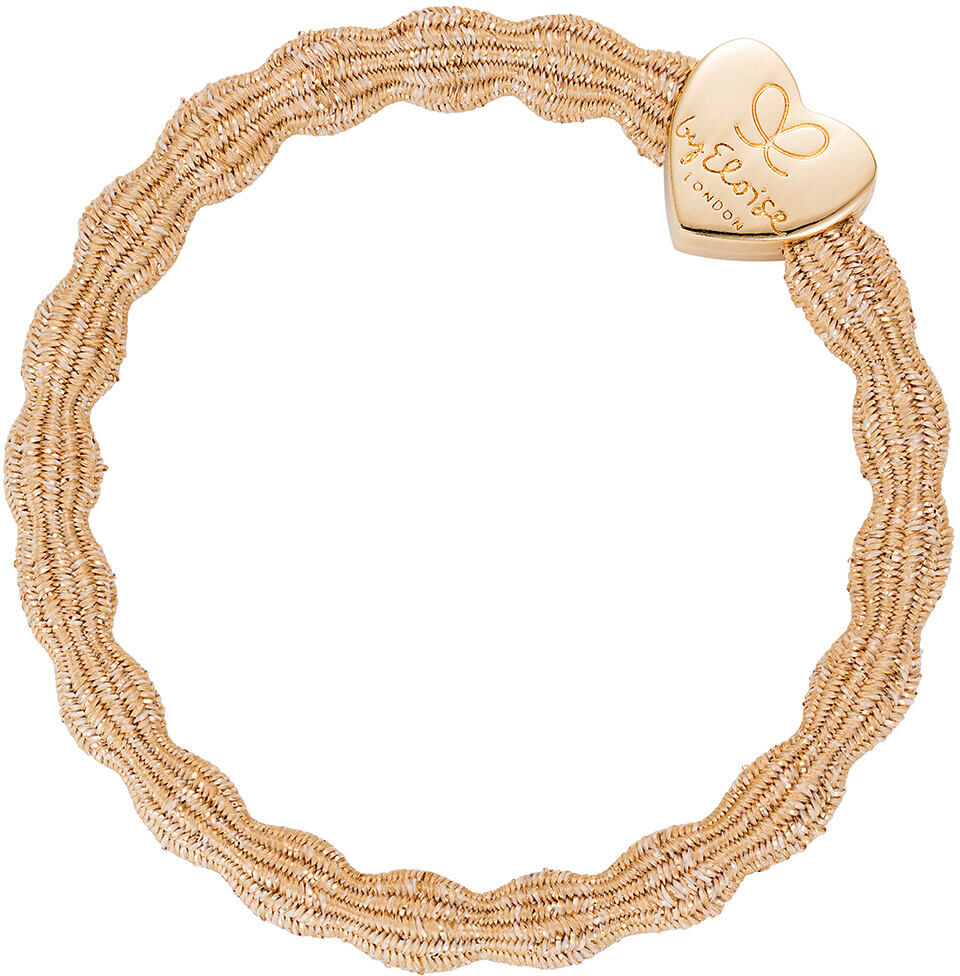
By Eloise London Metallic Gold Heart color GoldAn elegant and practical elastic byEloise that holds your hair tightly in any style, while still gently decorating it. It is also suitable as a wristlet. Choose from a wide range of colours, types and embellishments.6,50 €*Shipping: 7,90 €Secure redirect to the provider



-
How does the heart rate change during exercise?
During exercise, the heart rate increases to pump more oxygen-rich blood to the muscles to meet the increased demand for energy. This increase in heart rate is a normal response to physical activity and helps to deliver nutrients and oxygen to the muscles more efficiently. The heart rate will continue to rise as the intensity of the exercise increases, and will gradually decrease as the body returns to a resting state after the workout. **
-
Does the heart rate not increase during exercise?
Yes, the heart rate does increase during exercise. When we engage in physical activity, our muscles require more oxygen and nutrients to function, so the heart needs to pump more blood to deliver these essential elements. This increased demand for blood flow causes the heart rate to rise in order to meet the body's needs during exercise. **
-
Is the training heart rate too high?
The ideal training heart rate varies depending on individual fitness levels and goals. For most people, the target heart rate for moderate-intensity exercise is 50-70% of their maximum heart rate, and for vigorous-intensity exercise, it is 70-85% of their maximum heart rate. It's important to consult with a healthcare professional or fitness trainer to determine the appropriate training heart rate based on individual factors such as age, fitness level, and any underlying health conditions. If the training heart rate consistently exceeds the recommended range, it may be too high and could lead to overexertion or potential health risks. **
-
How high can my heart rate be during exercise?
Your maximum heart rate during exercise can be estimated by subtracting your age from 220. For example, if you are 30 years old, your estimated maximum heart rate would be 190 beats per minute. However, it's important to note that this is just an estimate and individual variations can occur. It's recommended to aim for a target heart rate during exercise that is 50-85% of your maximum heart rate, depending on your fitness goals and overall health. Always consult with a healthcare professional before starting a new exercise program to ensure that you are exercising at a safe and appropriate intensity for your individual needs. **

Is a heart rate of 194 during exercise normal?
A heart rate of 194 during exercise can be considered normal for some individuals, especially those who are young and physically fit. During intense exercise, the heart rate can increase to this level as the body works to meet the increased demand for oxygen and energy. However, it is important to note that what is considered normal can vary from person to person based on factors such as age, fitness level, and overall health. It is always best to consult with a healthcare professional to determine what is a normal and safe heart rate for you during exercise. **
How high can my heart rate go during exercise?
During exercise, your heart rate can vary depending on factors such as your age, fitness level, and the intensity of the exercise. In general, a safe target heart rate range during exercise is typically 50-85% of your maximum heart rate. To calculate your maximum heart rate, subtract your age from 220. It's important to listen to your body and not exceed your maximum heart rate to avoid overexertion and potential health risks. **
Top-Angebote
Products related to Heart rate:
-
By Eloise London Velvet Gold Heart color BlackAn elegant and practical elastic byEloise that holds your hair tightly in any style, while still gently decorating it. It is also suitable as a wristlet. Choose from a wide range of colours, types and embellishments.7,50 €*Shipping: 7,90 €Secure redirect to the provider
-
By Eloise London Silver Heart color Navy BlueAn elegant and practical elastic byEloise that holds your hair tightly in any style, while still gently decorating it. It is also suitable as a wristlet. Choose from a wide range of colours, types and embellishments.4,50 €*Shipping: 7,90 €Secure redirect to the provider
-
By Eloise London Silver Heart color Storm GreyAn elegant and practical elastic byEloise that holds your hair tightly in any style, while still gently decorating it. It is also suitable as a wristlet. Choose from a wide range of colours, types and embellishments.4,00 €*Shipping: 7,90 €Secure redirect to the provider
-
By Eloise London Silver Heart color Neon BlueAn elegant and practical elastic byEloise that holds your hair tightly in any style, while still gently decorating it. It is also suitable as a wristlet. Choose from a wide range of colours, types and embellishments.4,50 €*Shipping: 7,90 €Secure redirect to the provider
-
What is the difference between resting heart rate and maximum heart rate during exercise?
Resting heart rate is the number of times your heart beats per minute when you are at rest, typically measured in the morning before getting out of bed. Maximum heart rate, on the other hand, is the highest number of times your heart can beat in one minute during intense exercise. Resting heart rate is a good indicator of overall cardiovascular health, while maximum heart rate is used to determine exercise intensity and target heart rate zones during workouts. Generally, maximum heart rate decreases with age, while resting heart rate tends to decrease with improved cardiovascular fitness. **
-
Is heart rate training not meaningful?
Heart rate training can be meaningful for certain individuals, especially those who are looking to improve their cardiovascular fitness, monitor their exercise intensity, or track their progress over time. By using heart rate as a guide, individuals can ensure they are working out at an appropriate intensity level for their fitness goals. However, it's important to note that heart rate training may not be the best approach for everyone, as individual responses to exercise can vary. It's always a good idea to consult with a fitness professional to determine the most effective training approach for your specific needs and goals. **
-
How does the heart rate change during exercise?
During exercise, the heart rate increases to pump more oxygen-rich blood to the muscles to meet the increased demand for energy. This increase in heart rate is a normal response to physical activity and helps to deliver nutrients and oxygen to the muscles more efficiently. The heart rate will continue to rise as the intensity of the exercise increases, and will gradually decrease as the body returns to a resting state after the workout. **
-
Does the heart rate not increase during exercise?
Yes, the heart rate does increase during exercise. When we engage in physical activity, our muscles require more oxygen and nutrients to function, so the heart needs to pump more blood to deliver these essential elements. This increased demand for blood flow causes the heart rate to rise in order to meet the body's needs during exercise. **
Similar search terms for Heart rate
-
By Eloise London Silver Heart color Neon OrangeAn elegant and practical elastic byEloise that holds your hair tightly in any style, while still gently decorating it. It is also suitable as a wristlet. Choose from a wide range of colours, types and embellishments.4,50 €*Shipping: 7,90 €Secure redirect to the provider
-
By Eloise London Metallic Gold Heart color GoldAn elegant and practical elastic byEloise that holds your hair tightly in any style, while still gently decorating it. It is also suitable as a wristlet. Choose from a wide range of colours, types and embellishments.6,50 €*Shipping: 7,90 €Secure redirect to the provider
-
By Eloise London Metallic Gold Heart color RedAn elegant and practical elastic byEloise that holds your hair tightly in any style, while still gently decorating it. It is also suitable as a wristlet. Choose from a wide range of colours, types and embellishments.4,50 €*Shipping: 7,90 €Secure redirect to the provider
-
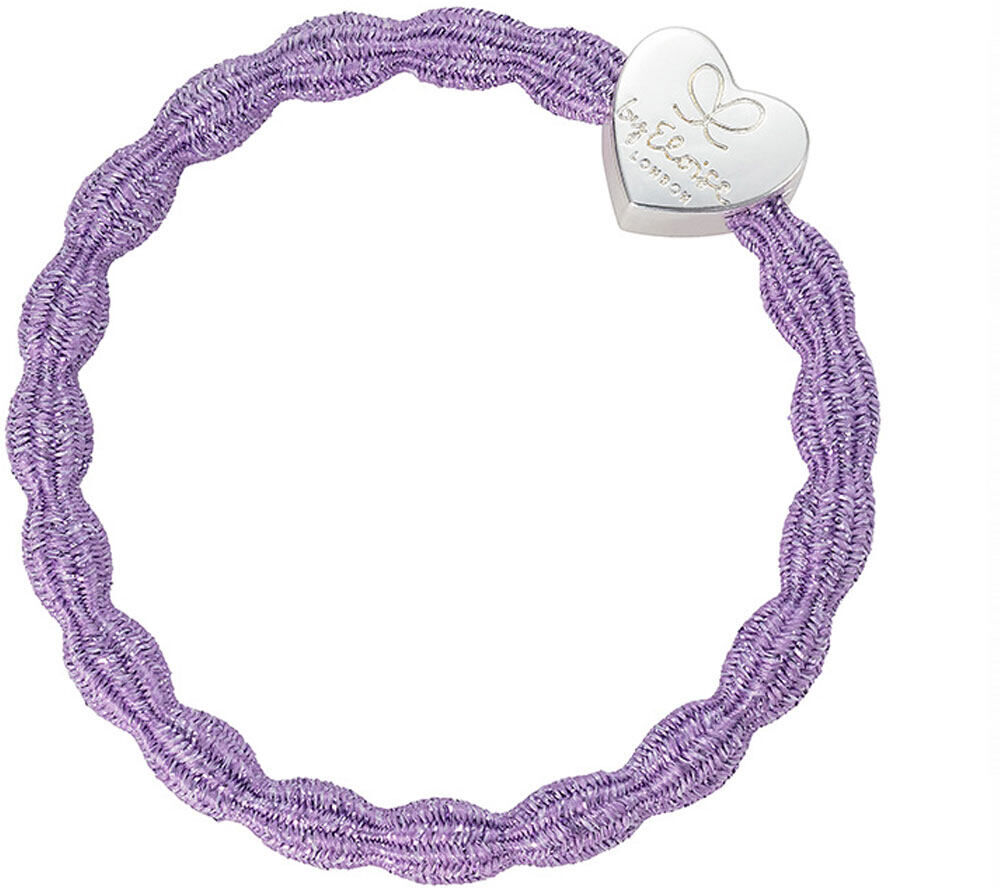
By Eloise London Metallic Silver Heart color LilacAn elegant and practical elastic byEloise that holds your hair tightly in any style, while still gently decorating it. It is also suitable as a wristlet. Choose from a wide range of colours, types and embellishments.4,00 €*Shipping: 7,90 €Secure redirect to the provider
-
Is the training heart rate too high?
The ideal training heart rate varies depending on individual fitness levels and goals. For most people, the target heart rate for moderate-intensity exercise is 50-70% of their maximum heart rate, and for vigorous-intensity exercise, it is 70-85% of their maximum heart rate. It's important to consult with a healthcare professional or fitness trainer to determine the appropriate training heart rate based on individual factors such as age, fitness level, and any underlying health conditions. If the training heart rate consistently exceeds the recommended range, it may be too high and could lead to overexertion or potential health risks. **
-
How high can my heart rate be during exercise?
Your maximum heart rate during exercise can be estimated by subtracting your age from 220. For example, if you are 30 years old, your estimated maximum heart rate would be 190 beats per minute. However, it's important to note that this is just an estimate and individual variations can occur. It's recommended to aim for a target heart rate during exercise that is 50-85% of your maximum heart rate, depending on your fitness goals and overall health. Always consult with a healthcare professional before starting a new exercise program to ensure that you are exercising at a safe and appropriate intensity for your individual needs. **
-
Is a heart rate of 194 during exercise normal?
A heart rate of 194 during exercise can be considered normal for some individuals, especially those who are young and physically fit. During intense exercise, the heart rate can increase to this level as the body works to meet the increased demand for oxygen and energy. However, it is important to note that what is considered normal can vary from person to person based on factors such as age, fitness level, and overall health. It is always best to consult with a healthcare professional to determine what is a normal and safe heart rate for you during exercise. **
-
How high can my heart rate go during exercise?
During exercise, your heart rate can vary depending on factors such as your age, fitness level, and the intensity of the exercise. In general, a safe target heart rate range during exercise is typically 50-85% of your maximum heart rate. To calculate your maximum heart rate, subtract your age from 220. It's important to listen to your body and not exceed your maximum heart rate to avoid overexertion and potential health risks. **
* All prices are inclusive of VAT and, if applicable, plus shipping costs. The offer information is based on the details provided by the respective shop and is updated through automated processes. Real-time updates do not occur, so deviations can occur in individual cases. ** Note: Parts of this content were created by AI.